Landscape Maintenance Mistakes That Can Damage Your Yard
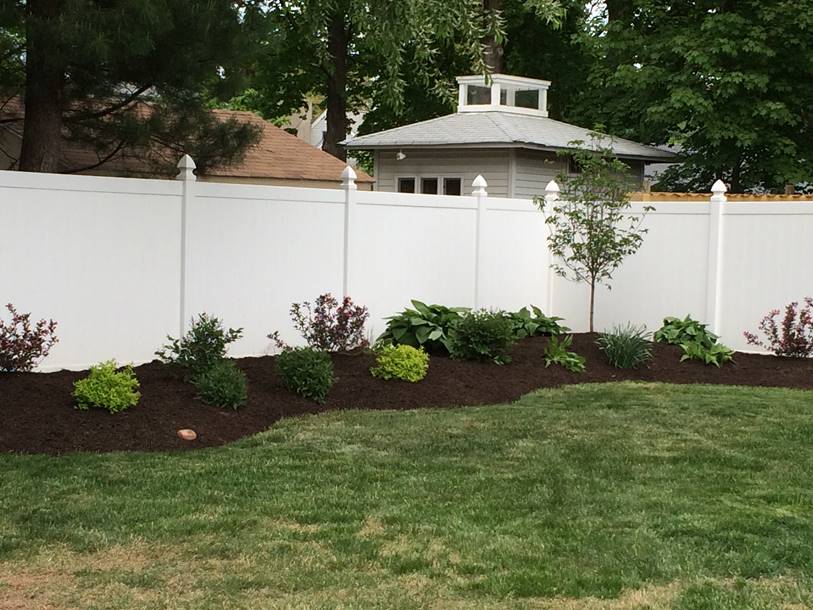

A healthy yard rarely comes down to one big decision. It is usually shaped by dozens of small ones, repeated over time. Mowing a little too short in July, watering at the wrong hour, topping shrubs every season, piling mulch against trunks, skipping soil testing for years, all of those habits can quietly weaken turf, stress trees, and turn a landscape that should mature gracefully into one that always looks tired.
That is what makes landscape maintenance so tricky. Many of the most damaging mistakes come from good intentions. Homeowners want a neat lawn, fast growth, fewer weeds, and lower costs. Maintenance crews want efficiency and consistency across properties. But plants do not respond to routines just because they are convenient. They respond to timing, soil conditions, species needs, weather patterns, and the cumulative effects of stress.
I have seen yards where the owner spent thousands on new plantings, then lost half of them within two seasons because the maintenance habits never changed. I have also seen modest landscapes thrive for years because someone understood the basics and respected how plants actually grow. The difference is not always budget. More often, it is judgment.
Mowing too short, the fastest way to weaken a lawn
Scalping is one of the most common maintenance errors, and it usually starts with a simple idea: cut the grass low so you do not have to mow as often. On paper, that sounds efficient. In practice, it strips away too much leaf surface, reduces the plant’s ability to photosynthesize, and exposes the soil to more heat and evaporation.
When turf is mowed too short, roots often become shallower. The grass then dries out faster, struggles more during hot weather, and gives weeds an opening. Crabgrass, spurge, and other opportunistic weeds love thin, stressed turf. A lawn that is cut aggressively in late spring can look clean for a week, then ragged and pale by the next one.
Height matters more than many people realize. Cool-season grasses such as fescue and bluegrass usually perform better on the taller side of their recommended range, especially in summer. Warm-season grasses have different targets, but even they suffer when routinely shaved too low. The exact number depends on species, region, season, and mower type, but the principle stays the same: remove too much blade at once, and the lawn pays for it.
A good working rule is simple:
- Never remove more than one-third of the grass blade in a single mowing.
- Raise the mower height during heat, drought, or periods of stress.
- Keep blades sharp so the cut is clean rather than torn.
- Change direction occasionally to prevent ruts and grain.
- Do not mow just because the calendar says it is mowing day.
Those points sound basic, but they solve a large share of lawn problems before they start. A dull blade, for example, can shred leaf tips badly enough to make healthy turf look gray or diseased within hours.
Watering on a schedule that ignores weather and soil
Many irrigation systems are set in spring and barely touched again. That is convenient, but it is also one of the biggest reasons yards decline. Overwatering and underwatering can produce similar symptoms at first glance: brown patches, weak roots, slow growth, and disease pressure. The difference lies below the surface.
Shallow, frequent watering encourages shallow roots. The grass learns there is always moisture near the top inch or two of soil, so it has no reason to reach deeper. Then one hot week arrives, the top layer dries quickly, and the lawn crashes. Shrubs and young trees can suffer the same pattern. They look fine right up to the point they do not.
On the other hand, too much water keeps roots starved of oxygen. Saturated soil invites root rot, fungal issues, and mosquito problems. I have walked properties where the owner thought they were fighting drought stress, but the soil was wet enough to squeeze into a paste. The turf was yellow because roots were drowning, not because they were thirsty.
Effective landscape maintenance requires watering by observation, not habit. A south-facing slope with sandy soil may need attention far sooner than a shaded area with heavier loam. A newly planted maple has very different needs than an established boxwood hedge. Rainfall matters, but so does how much of that rain actually reaches the root zone.
Early morning is generally the best time to irrigate. The water has a chance to soak in before heat and wind drive up evaporation, and the foliage dries faster than it would with evening watering. That lowers disease risk. Midday watering is not useless, despite persistent myths, but it is less efficient. Night watering often keeps leaves damp too long, which can encourage fungal problems on susceptible plants.
Treating all plants like they need the same care
One of the quiet killers in a yard is uniform maintenance. The crew trims everything on the same day, waters every zone for the same duration, fertilizes everything with the same product, and expects everything to respond well. Landscapes do not work that way.
Hydrangeas, ornamental grasses, azaleas, native perennials, turfgrass, and young shade trees all operate on different timelines. Some bloom on old wood, which means careless pruning can remove next year’s flowers in an afternoon. Some plants prefer leaner soil and resent heavy feeding. Others thrive with hard seasonal cutbacks. Treating them all with the same maintenance logic is efficient only in the narrowest sense.
A good example is foundation planting. It is common to see shrubs installed under windows, then clipped into tight green cubes several times a year. The result may look orderly from a distance, but dense shearing often creates a shell of foliage on the outside and dead wood inside. Light cannot penetrate. Air movement drops. The shrub becomes more vulnerable to pests and decline, and eventually a heavy reduction becomes risky because there is little healthy interior growth left to support recovery.
The same issue appears with perennials. Some benefit from deadheading, some should be left for seedheads and winter structure, and some are harmed by aggressive summer cutbacks. Maintenance should match plant biology, not force every species into the same labor pattern.
Mulching mistakes that suffocate roots and invite decay
Mulch is one of the best tools in landscape maintenance when it is used well. It moderates soil temperature, reduces moisture loss, suppresses weeds, and improves appearance. It is also one of the most commonly misused materials in the yard.
The classic error is the mulch volcano, a cone piled high against the trunk of a tree. People often assume more mulch means more protection. In reality, mulch pressed against bark holds moisture where it should not, encourages decay, and can lead to girdling roots as new roots circle near the surface rather than spreading properly through the soil. A tree might survive like that for years before symptoms become obvious, but the damage accumulates.
Depth matters too. In most situations, a layer around two to three inches deep is enough. Four inches may be appropriate in some coarse-textured beds, but once mulch becomes excessive, it can repel water when dry, stay soggy when wet, and interfere with gas exchange at the soil surface. Fine roots need oxygen. Smothering them under a heavy blanket is not care.
Fresh mulch also does not fix poor bed maintenance on its own. I have seen crews spread a new layer every spring without addressing compaction, edging, irrigation issues, or buried root flares. The beds look refreshed for a month, but the plants keep declining because the real problem remains.
Pruning at the wrong time, or for the wrong reason
Pruning is one of the most valuable skills in yard care, and one of the easiest to get wrong. There is a difference between pruning for plant health, pruning for structure, and pruning simply to make things look controlled. Trouble starts when appearance becomes the only goal.
Timing is often the first mistake. Spring-flowering shrubs such as lilac, forsythia, and some hydrangeas set buds well before the next bloom season. If they are heavily pruned at the wrong time, flowering drops sharply. The plant itself may survive just fine, but the owner wonders why it never blooms like it used to.
Trees present higher stakes. Poor cuts can create long-term structural weakness or open pathways for decay. Topping, still surprisingly common, is especially harmful. Removing large portions of the crown without regard to branch structure triggers weakly attached regrowth, increases stress, and ruins the natural form. It is not a shortcut to size control. It is damage disguised as pruning.
Even well-meaning cleanup can go too far. Removing every interior branch from a tree canopy, often called lion-tailing, leaves foliage concentrated at the ends of limbs. That increases wind stress and can make breakage more likely. Shrubs sheared into dense surfaces may hold moisture and encourage foliar disease. Roses cut indiscriminately can lose vigor. The principle is not that pruning is risky. It is that pruning needs a purpose.
If there is one question worth asking before every cut, it is this: what am I trying https://reidgpiw373.zenbloomer.com/posts/landscape-maintenance-ideas-for-minimalist-and-easy-care-yards to accomplish for the plant, not just for the momentary look of the yard?
Fertilizing without knowing what the soil actually needs
Fertilizer is often treated like a general tonic. If a plant looks weak, feed it. If the lawn is pale, feed it. If growth slows, feed it again. That habit can create more problems than it solves.
Plants need nutrients, but they need them in context. A lawn struggling from compacted soil, root disease, shade, or poor drainage will not recover just because more nitrogen was applied. In fact, heavy feeding can push lush top growth that the roots cannot support. That tender growth may be more susceptible to stress, disease, or insect pressure.
Soil pH is another overlooked factor. Nutrients can be present in the soil and still remain unavailable to plants if the pH is too far out of range. Iron chlorosis in some ornamentals, for instance, is not always caused by low iron in the soil. Sometimes it is a pH issue that locks the iron up.
A basic soil test is one of the cheapest ways to improve maintenance decisions. It helps answer whether the problem is nutrient deficiency, imbalance, or something unrelated to fertility. Without that information, fertilizing becomes guesswork, and guesswork gets expensive.
There is also a timing issue. Feeding cool-season lawns heavily during summer heat can backfire. Late, soft growth on some woody plants can be more vulnerable before winter. Slow-release products, spot treatment, compost additions, and leaving mulched grass clippings in place all have roles, but none should be automatic. They should fit the site.
Ignoring soil compaction and drainage until plants fail
A yard can have excellent plants, quality irrigation, and competent mowing, then still underperform because the soil is physically compromised. Compaction is one of the most underestimated problems in residential landscapes. It reduces pore space, limits oxygen, slows infiltration, and makes it difficult for roots to expand.
You often see it in high-traffic lawn areas, near play spaces, around gates, beside driveways, or where construction equipment once moved repeatedly. Water may puddle after rain. Turf may look thin despite regular fertilization. Beds may stay wet on the surface but dry quickly below. New plantings can sit in what is effectively a bathtub.
Compaction is especially common after home construction or major renovations. Topsoil may be stripped, subsoil smeared, and heavy equipment driven over everything. Then sod and shrubs are installed, and the owner assumes normal maintenance will carry the landscape forward. Sometimes it does not. The roots never get the environment they need.
Core aeration can help compacted lawns, especially when timed to active growth. Beds may need organic matter incorporated where appropriate, though that is easier before planting than after. In severe cases, grading or drainage correction is the real solution. There is no fertilizer that can compensate for roots trapped in airless soil.
Letting weeds and pests dictate the response instead of the diagnosis
When a problem appears suddenly, people often jump straight to treatment. Brown spot in the lawn must mean fungus. Chewed leaves must mean insects. Sparse growth must mean weeds are winning. Sometimes those instincts are right. Often they are not.
I have seen herbicides sprayed on lawns that were actually suffering from heat stress and dull mower damage. I have seen insecticides used on plants where the real issue was poor air flow and chronic overwatering. I have seen broadleaf weeds emerge in thin turf, only for the weeds to be treated repeatedly while the underlying cause, low mowing and compacted soil, remained untouched. The weeds came back because the opening in the lawn never closed.
That is one of the central principles of good landscape maintenance: symptoms are not causes. Weeds and pests often reveal a weakness in the system. Treating the visible issue without fixing the stress behind it turns maintenance into an endless cycle of reaction.
This is where observation earns its keep. Look at the pattern. Is the damage scattered or isolated to one irrigation zone? Is it limited to one species? Did it appear after a weather shift, a fertilizer application, or a pruning event? Are roots healthy? Is the soil wet, dry, or compacted? Those questions matter more than reaching for a product on day one.
Forgetting that young trees need different attention than established ones
Many yards lose trees not because the species was wrong, but because care changed too soon. A newly planted tree does not behave like one that has been rooted in place for five years. The root system is smaller, the water needs are less forgiving, and the planting depth matters enormously.
Too-deep planting remains a widespread issue. If the root flare is buried, the trunk stays too moist, roots may circle, and long-term health suffers. Add excessive mulch and routine overwatering, and decline becomes likely. The tree may leaf out for a while and appear settled, then stall after two or three years, which is when many owners stop connecting the problem to the original planting and maintenance practices.
Staking can also be mishandled. A tree that is staked too tightly or left staked too long may not develop the trunk strength it needs. The goal is temporary support when needed, not permanent restraint.
Young trees deserve focused maintenance in their establishment period. That often means slower, deeper watering at the root zone, careful monitoring during hot spells, minimal but strategic pruning, and protection from mower and string trimmer damage. Mechanical injury at the base of a young tree is more common than many people think, and repeated bark wounds can be enough to compromise the tree for life.
Overcleaning the landscape
There is a point where tidiness starts working against the health of the yard. Every fallen leaf is removed immediately. Every perennial is cut flat in autumn. Every twig is raked out of every bed. Every natural layer that might feed soil or shelter beneficial insects is stripped away because it looks messy for a week or two.
This is partly aesthetic, partly habit. Yet an overmanaged landscape can become biologically thinner than it needs to be. Leaves left in a thick mat on turf are a problem, yes. Leaves shredded or composted into beds can be useful. Perennial stems left through winter often protect crowns and provide habitat. Seedheads add structure and interest long after bloom.
That does not mean a yard should be neglected. It means maintenance should be selective. A clean edge along a walk can coexist with a bed that is allowed to function more naturally. The best-kept properties often feel balanced rather than sterile. They are maintained with intention, not stripped of every sign of seasonal change.
A better way to think about routine care
The most reliable landscapes are not maintained by rigid formulas. They are maintained by adjustment. Weather changes, plants mature, trees cast more shade, drainage patterns shift, and what worked three years ago may no longer fit the site today.
That is why strong landscape maintenance depends less on doing more and more on doing the right things at the right time. Mow with the plant in mind. Water based on soil and season. Prune with a purpose. Feed only when there is a reason. Respect root zones. Watch how the yard responds.
If a lawn keeps thinning, a shrub keeps burning at the tips, or a young tree never seems to gain momentum, the answer is rarely a miracle product. More often, it is a maintenance habit that has been repeated long enough to become invisible. Once that habit is identified and corrected, recovery can be surprisingly steady.
A yard does not need perfection to thrive. It needs consistency, observation, and restraint. Most of the serious damage I see in residential landscapes comes from trying too hard in the wrong direction. That is the encouraging part, because it means many problems are preventable. Good care is not mysterious. It is careful, informed, and responsive to what the landscape is actually telling you.
Majestic Mowing & Landscaping LLC
Phone number: +19733975532
FAQ About Landscape Maintenance
What is landscape maintenance?
Landscape maintenance is the ongoing care, cleaning, and upkeep of outdoor green spaces to keep them healthy, safe, and attractive.
Is $100 an hour too much for landscape work?
An hourly rate of $100 is not too much for specialized or professional landscape work, though it sits at the higher end of the standard pricing spectrum.
How much do landscapers charge for maintenance?
For professional landscaping maintenance, homeowners typically pay $100 to $410 per month for recurring services, or an hourly labor rate of $50 to $100 per hour per crew member.